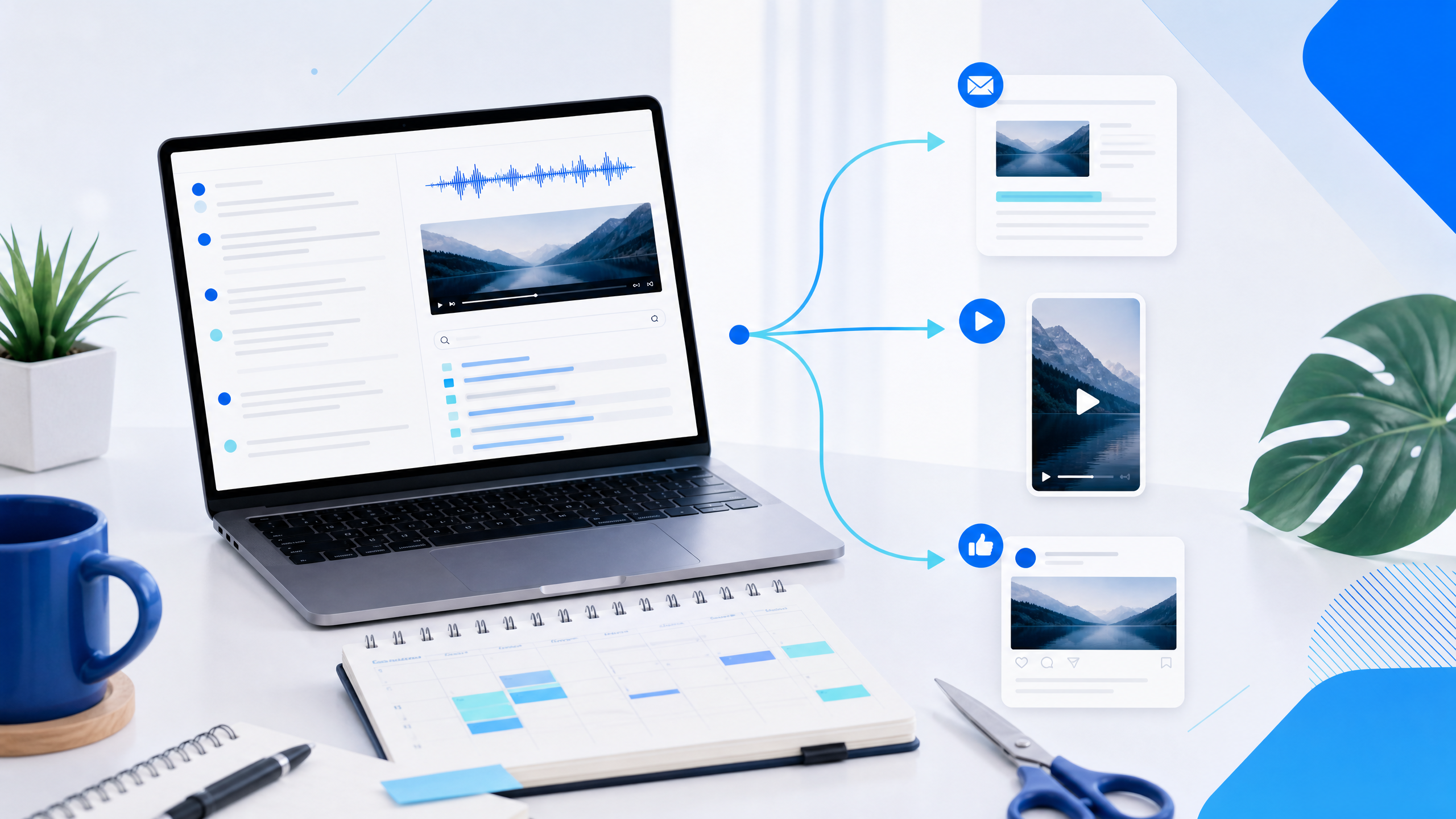
Text transcripts make video content easier to move through a creative pipeline. They provide a readable layer for finding themes, extracting examples, and deciding which ideas deserve a second format.
Start with the free transcript generator to turn available captions into a working document, then use the YouTube upload speed test when your publishing workflow depends on a reliable connection.
A practical text transcripts checklist
When your search starts with text transcripts, define the viewer question before you collect more material. That keeps the workflow focused and makes the final piece more useful.
Use text transcripts to organize evidence, examples, and next steps, but keep the source link beside your notes. This protects context when the idea moves from research into a script.
Finish the text transcripts workflow by adding an original angle, checking important details against the video, and choosing the right output for your audience.
Search for moments with a job to do
Look for answers, contrasts, definitions, stories, and strong transitions. Each moment should have a potential role in the new asset before you copy it into a planning document.
Search works best when you already know the audience problem you are solving. A transcript is a map; your content brief decides where to go.
Adapt the idea to the new channel
A long-form explanation may become a carousel, a newsletter paragraph, a podcast question, or a short video. Change the structure so the new format feels native rather than compressed.
Add a new opening and a clear next step. Repurposing is strongest when it gives the audience a fresh reason to engage with a proven idea.
Review before publishing
Compare the new draft with the original transcript and video. Check that the shortened version has not removed a qualification or changed the speaker’s meaning.
Keep a source note in the project file, especially when a quote or distinctive phrase remains. Clear attribution protects trust and makes collaboration easier.
Make the text transcripts workflow yours
The best text transcripts workflow leaves room for your own voice, evidence, and audience context. Treat the phrase as a search need, not a substitute for useful guidance.
Once your text transcripts process is clear, save the source link and turn the next insight into an original brief, script, or production decision.
Useful next steps
Continue with a focused caption workflow.
Common questions
FAQ for creators
How does text transcripts fit a creator workflow?
A clear text transcripts workflow starts with an available caption track, a focused question, and a careful review of the source before anything is published.
Can every YouTube video provide captions for this workflow?
No. The video must expose a public caption track. A video can be watchable while captions are disabled or unavailable in a requested language.
Which transcript format should a creator choose?
Choose TXT for reading and writing, JSON for structured analysis, and SRT when timing needs to move into a subtitle or editing workflow.
How can I use the transcript without losing context?
Keep the source URL, verify important passages against the video, and add original analysis or attribution before publishing any derived work.